

Is Predestination a Problem?
A Spiritual Theology of Calvinism


Prequels can cause problems. Whether we’re talking about The Lord of the Rings films and the later-released prequel, The Hobbit (and yes, I know they were books way before they were films), or the prequels in the Star Wars saga featuring the most unloveable character in movie history (Jar Jar Binks), tempers flare and eye-rolling begins. Some people care way too much about the place of prequels, and others don’t care at all.
But I love a good prequel. Who doesn’t love the “aha!” moments they provide? Background information found in prequels heightens and deepens the stories we know and love. Character arcs, plot development, insights, and connected dots provided by prequels make the stories we enjoy even sweeter.
And there is one prequel every Christian can enjoy. Predestination. That’s the prequel to your faith in Christ.
You’re on the Roster
This truth naturally follows total depravity—we are spiritually dead in our sins. Why in the world does anyone get saved if we’re so warped in our nature and will, unable to turn to God? Election is the explanation.
If you believe in Christ, it’s because God decided to save you long before you saw you needed to be saved. Before you were born, God already loved you. When your heart first swelled with joy over the forgiveness you found in the crucified and risen Christ, you didn’t sway God to let you into his kingdom—your name was already on the roster.
Paul writes an extended praise of God’s grace in Ephesians 1, and here we find an exposition of God’s sovereign grace for sinners.
For he chose us in him, before the foundation of the world, to be holy and blameless in love before him. He predestined us to be adopted as sons through Jesus Christ for himself, according to the good pleasure of his will, to the praise of his glorious grace that he lavished on us in the Beloved One. (Eph. 1:4–6)
Election means that before the events of Genesis 1:1 unfolded in space and time, the triune God chose which depraved sinners would receive his mercy in Jesus Christ. God chose who would be saved.
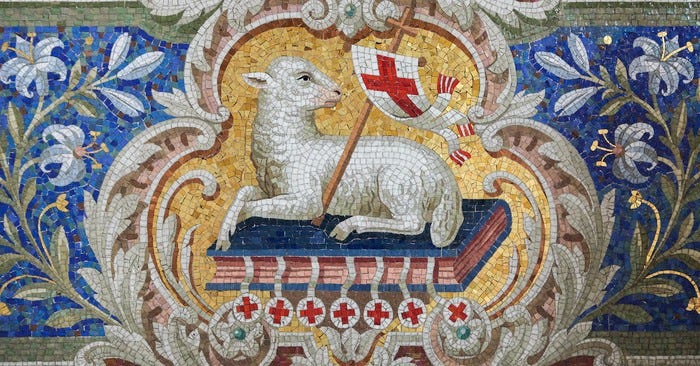
In his God-given glimpse of heavenly reality, the apostle John saw the Lamb’s book of life—written before earth’s crust was established. This book contains the names of everyone who will be redeemed by Christ’s blood (Rev. 13:8; 21:27). In heaven, right now, there is a page in the Lamb’s book of life with Jeffrey Alan Medders on it. For a moment, think about your name, and about that book. If you are in Christ, your name is there too. And your name is written in ink older than the dirt in Jerusalem.
Christian, arrangements were made for you long before you took your first breath, committed your first sin, or sang your first hymn. God knew you would come to faith. God set your destination long before you could crawl. He predestined you to be adopted into his family by the death and resurrection of the Son of God. He wasn’t surprised when faith flamed in your heart. He knew the day was coming. He planned it.
And God’s plan to save particular sinners for eternity was, and is, unconditional. No human factors were considered in God’s election. No conditions outside of God played a role in his choosing. Election was all, as Paul says, “according to the good pleasure of his will.” Charles Spurgeon hit the high note on this:
I believe the doctrine of election, because I am quite sure that if God had not chosen me I should never have chosen him; and I am sure he chose me before I was born, or else he never would have chosen me afterwards; and he must have elected me for reasons unknown to me, for I never could find any reason in myself why he should have looked upon me with special love.
God didn’t look at the schoolyard of humanity and pick out the best, brightest, and most talented he could find to play on his team. There were no best. We were all dull and dark in our hearts. “No other cause,” John Calvin says, “makes us God’s children but only his choice of us in himself.” God made his choice according to his mysterious, merciful will, to the praise of his glorious grace.
Corridor of Time, Crystal Ball, or Choice?
In an effort to unravel this mystery of mercy, folks will explain predestination and God’s foreknowledge as God choosing those he knew would choose him.
